


SUS316H Stainless Steel
Dec 16, 2025
Eine Nachricht hinterlassen
SUS316H is a high-carbon, molybdenum-containing austenitic stainless steel (C=0.04-0.10%), designed for high-temperature strength and corrosion resistance. It combines SUS316's chloride resistance with high carbon's creep resistance, suitable for high-heat harsh environments.
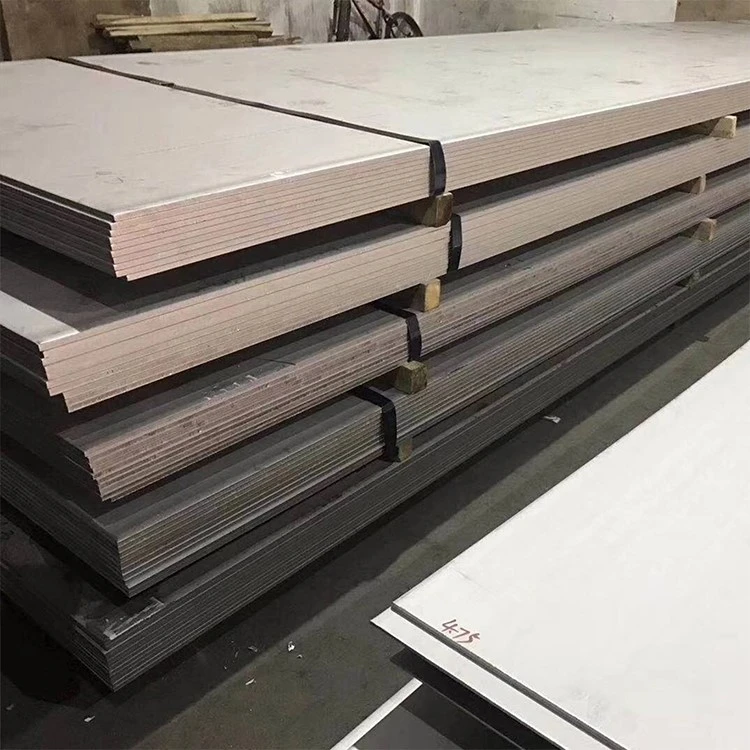
: C=0.04-0.10, Si <=1.00, Mn <=2.00, P <=0.045, S <=0.030, Cr=16.00-18.00, Ni=10.00-14.00, Mo=2.00-3.00, Fe=Balance
: Tensile Strength >=515MPa, Yield Strength >=205MPa, Elongation >=40%, Hardness (HB) <=217
: Excellent high-temperature creep resistance (500-800℃); good oxidation resistance at 800℃; superior chloride corrosion resistance vs SUS304H; weldable with proper treatment.
: ASTM A240 316H, EN 1.4407, UNS S31609
: High-temperature chemical reactor tubes, boiler superheaters in coastal power plants, furnace parts in chloride-rich environments, gas turbine components.
1. Q: Why is SUS316H better than SUS304H for coastal high-temperature equipment? A: It contains 2-3% Mo, enhancing chloride corrosion resistance. Coastal power plant boilers use seawater for cooling; SUS304H is prone to pitting from salt spray, while SUS316H's Mo oxide layer resists this. High carbon (0.04-0.10%) ensures creep resistance at 600-800℃, matching boiler operating temps. It balances high-temp strength and corrosion, avoiding frequent maintenance in coastal high-heat conditions.
2. Q: What welding filler metal is suitable for SUS316H? A: Use ER316H filler metal to match carbon and Mo content. ER316L (low C) is not recommended, as it reduces the weld zone's high-temp strength. Welding parameters: TIG current 110-150A, voltage 10-12V, travel speed 5-8 cm/min. Control heat input to prevent grain growth. Post-weld annealing at 1050-1100℃ restores corrosion resistance and relieves stress, critical for high-temp service.
3. Q: What's the creep resistance of SUS316H at high temps? A: At 650℃ and 100MPa stress, its creep rupture time exceeds 10,000 hours-far longer than SUS316 (5,000 hours) and SUS304H (3,000 hours). High carbon pins grain boundaries, resisting deformation. This makes it suitable for long-term high-temp load-bearing parts like reactor tubes, where creep failure would cause severe accidents. It's a cost-effective choice vs expensive nickel-based alloys.

4. Q: Can SUS316H be used in oxidizing high-temperature environments? A: Yes, up to 800℃. It forms a dense Cr-Mo oxide layer, resisting oxidation. Above 800℃, the layer becomes unstable, and oxidation accelerates. For temps 800-1000℃, choose SUS310S (25% Cr, 20% Ni) with better oxidation resistance. SUS316H is ideal for 500-800℃ oxidizing environments with chloride, balancing oxidation and corrosion resistance.
5. Q: How to detect intergranular corrosion in SUS316H after welding? A: Use the Strauss test (boiling nitric acid-copper sulfate solution) or electrochemical potentiokinetic reactivation (EPR) test. The Strauss test: immerse the welded sample for 120 hours; no cracks indicate good resistance. EPR is faster (1 hour), measuring current to assess corrosion. For critical parts (reactor tubes), 100% EPR testing ensures weld quality and prevents in-service failure.
Anfrage senden